1. How does this ICT Lab align with CSR Schedule VII requirements?
The project directly falls under Item (ii) of Schedule VII of the Companies Act, 2013, which focuses on promoting education, including special education and employment-enhancing vocational skills. This ensures 100% compliance for corporate social responsibility mandates.
2. Are contributions to this project eligible for 80G tax benefits?
Yes, Satyashodhak is a registered NGO with valid 80G and 12A certifications. All corporate and individual donations are eligible for tax deductions as per current Indian Income Tax laws. We provide automated tax receipts upon receipt of funds.
3. How do you ensure the long-term sustainability of the lab?
Sustainability is built into our framework through a tripartite agreement between Satyashodhak, the school management, and local stakeholders. We include a 3-year maintenance budget in our Phase I planning and train local school staff for basic troubleshooting and daily lab management.
4. What is the frequency of impact reporting for CSR partners?
Partners receive quarterly Progress Reports and a comprehensive Annual Impact Assessment. We also provide real-time access to our MIS dashboard, allowing stakeholders to track attendance and performance metrics at any time.
5. How are students selected for the advanced IT training modules?
Selection is based on a 'Merit-cum-Need' basis. While the lab is open to all students for basic digital literacy, advanced certification tracks prioritize high-potential learners from economically marginalized backgrounds to ensure maximum socio-economic impact.
6. Does the curriculum align with current industry standards?
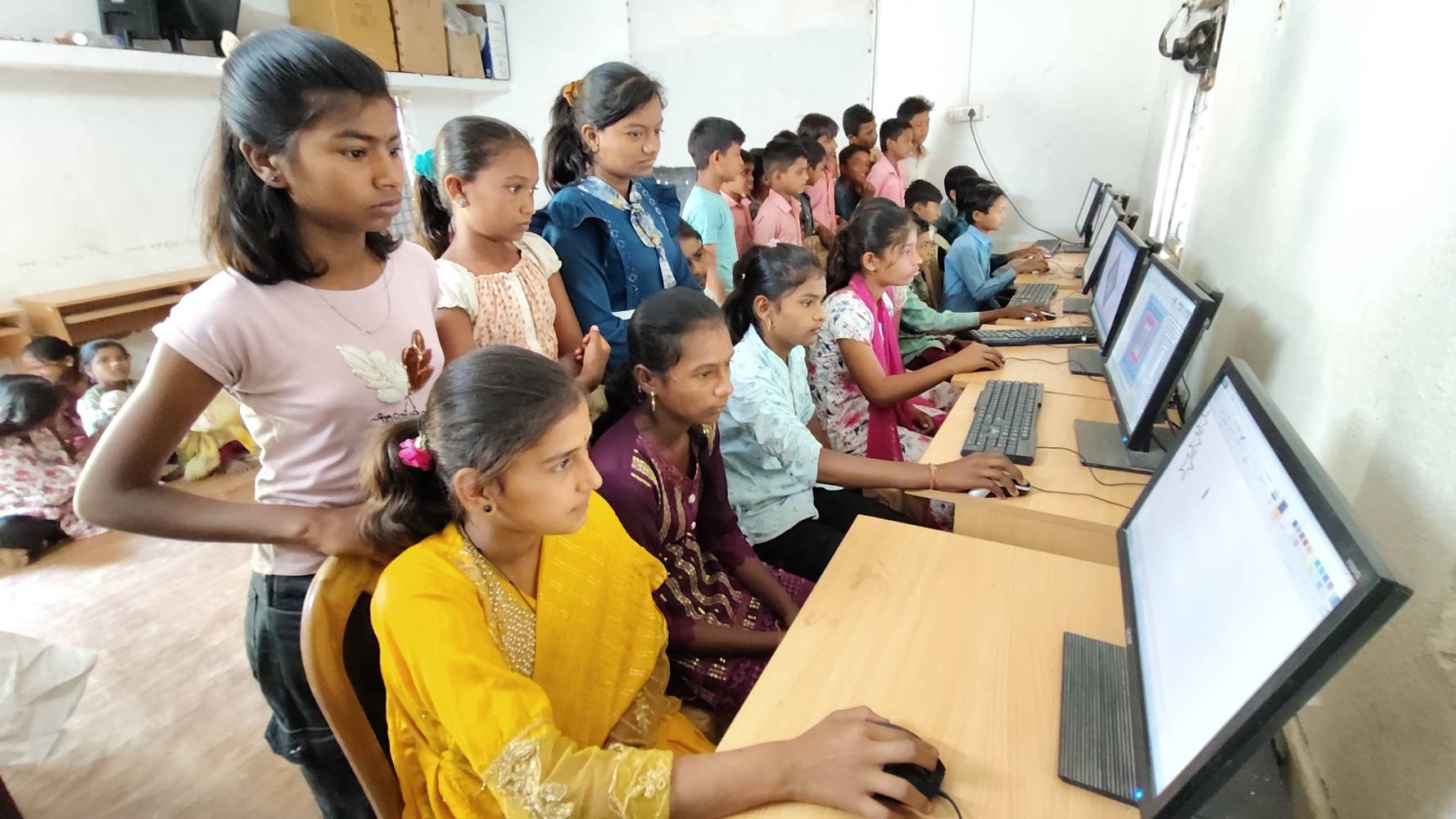
Yes, our curriculum is designed in consultation with tech professionals and vocational experts. We focus on foundational logic, Python coding, and essential digital productivity tools that are currently in high demand in the Indian IT and BPO sectors.
7. What measures are in place to protect hardware from the rural environment?
Rural environments pose challenges like dust and power fluctuations. We implement high-grade industrial UPS systems for constant power, dust-proof workstation enclosures, and specialized ventilation to maintain hardware longevity.
8. Can a CSR partner visit the project site for an audit?
Absolutely. We maintain an 'Open Door' policy for our partners. Site visits, stakeholder interactions, and third-party audits are highly encouraged and can be coordinated through our Partnership Lead with 48 hours notice.
9. How is community ownership established?
We form a Lab Governance Committee consisting of parents, teachers, and village leaders. This committee is involved from day one in the planning and security of the lab, ensuring the community feels a sense of pride and responsibility for the facility.
10. What happens if hardware is damaged or stolen?
All lab assets are fully insured against theft and accidental damage. Additionally, we implement 24/7 physical security protocols, and the school management provides a secure, monitored environment to minimize risk.